The Polestar 4 emerges as a bold electric SUV coupe, challenging conventional automotive design with its controversial rear window omission and blending high performance with a minimalist, sustainable interior powered by Android Automotive OS.
Introduction
In a rapidly expanding electric vehicle landscape, standing out requires more than just range and speed; it demands innovation that rethinks the very essence of automotive design. Enter the Polestar 4, an electric SUV coupe that bravely steps onto the stage with a singular, provocative feature: the absence of a rear window. Positioned as a blend of coupe aesthetics and SUV practicality, the Polestar 4 promises a premium, performance-oriented EV experience. But beyond its eye-catching design choice, does this vehicle deliver on its ambitious promises, offering a genuinely differentiated and superior driving experience, or does it merely dare to be different without truly redefining its segment?
Design and Build Quality
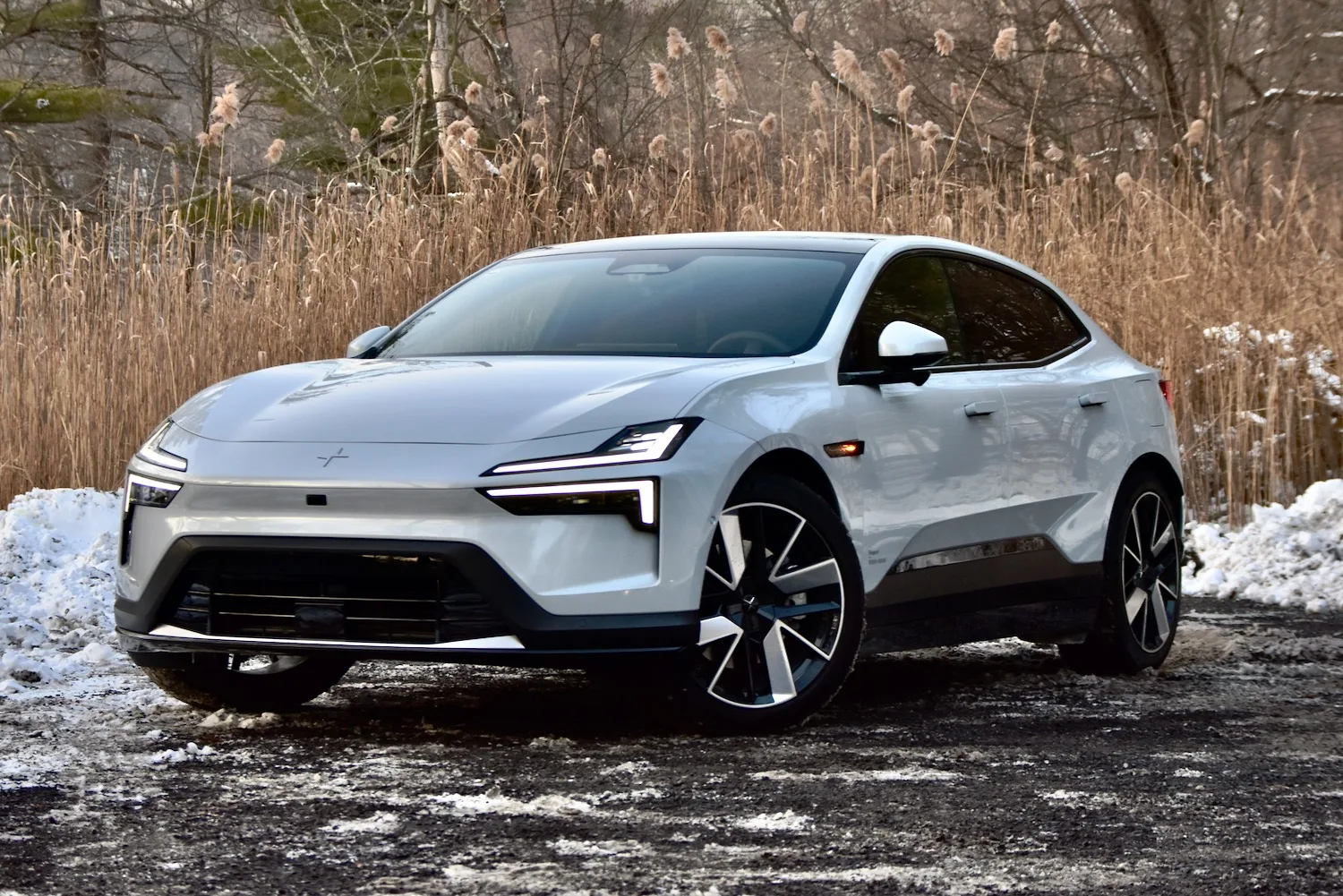
The Polestar 4 makes an immediate visual statement. It adopts the sleek, low-slung profile of a coupe while retaining the elevated stance of an SUV, a design language Polestar has honed. The vehicle's face features the distinctive 'Smart Zone' – a module housing radar and cameras, integrated seamlessly into a flush, aerodynamic front end that replaces the traditional grille. The dual-blade headlights, split into two segments, further contribute to its futuristic persona. Build quality is immediately apparent; panel gaps are tight, and the overall fit and finish exude a premium feel, living up to its Scandinavian roots. Interior materials reflect Polestar's commitment to sustainability without sacrificing luxury. Options like Nordico, a bio-attributed and recycled vinyl material, or animal welfare-certified Nappa leather, feel supple and robust. Button placement is minimal, with most functions relegated to the central touchscreen, contributing to a clean, uncluttered cabin. The panoramic glass roof, which extends far back, not only bathes the cabin in natural light but also, in conjunction with the rear-window deletion, contributes to an unexpected sense of spaciousness for rear passengers, turning a perceived constraint into a design advantage.
Key Feature: The Windowless Rear and Interior Innovation
The defining characteristic of the Polestar 4 is undeniably its lack of a physical rear window. This isn't just a design quirk; it's a deliberate engineering decision that has profound implications for both aesthetics and interior experience. By removing the rear window, Polestar designers were able to push the glass roof further back, creating an unprecedented sense of openness and increased headroom for rear occupants – a common pain point in traditional coupe-SUVs. The real-world compromise, however, is the complete reliance on a high-definition screen for a rearview mirror. This 15.4-inch display, fed by a roof-mounted camera, offers a wide, unobstructed view, often superior to a traditional mirror, especially when the vehicle is fully loaded with passengers or cargo. However, it requires an adjustment period, as depth perception can feel different, and in certain low-light or extreme weather conditions, the digital feed might not always match the clarity of a physical mirror. This bold move allows for a unique interior ambience, where the traditional rear view is replaced by an expansive skyward vista. The cabin embraces minimalism, centered around a large 15.4-inch portrait-oriented infotainment display powered by Android Automotive OS, complemented by a 10.2-inch driver display. This setup declutters the dashboard, allowing the premium materials and expansive panoramic roof to take center stage, creating a serene and modern environment that feels both advanced and inviting.
“The Polestar 4’s rear window deletion is more than a gimmick; it’s a design philosophy that optimizes interior space and introduces a new way of seeing the world behind you.”
— Mark Tisshaw, Autocar
Performance & Real-World Use
Underneath its striking exterior, the Polestar 4 delivers a driving experience that matches its aggressive stance. Two powertrain options are available: a Long Range Single Motor variant producing 272 hp and 253 lb-ft of torque, and a Long Range Dual Motor version that boasts a formidable 544 hp and 506 lb-ft of torque. The latter is particularly exhilarating, catapulting the vehicle from 0 to 60 mph in a blistering 3.7 seconds, placing it firmly in sports car territory. This instant, effortless acceleration makes highway merging and overtaking a joy. On winding roads, the Polestar 4 exhibits impressive composure. Its low center of gravity, thanks to the underfloor battery, contributes to confident handling and minimal body roll. While the steering provides good feedback, it might not be as communicative as some dedicated sports cars, but it's precise and well-weighted for everyday driving. The ride quality strikes a balance between sporty firmness and everyday comfort. It absorbs most road imperfections with aplomb, though larger bumps can be felt within the cabin, especially with the larger wheel options. For the average driver, the Single Motor variant provides more than enough power for daily commutes and spirited drives, prioritizing efficiency, while the Dual Motor caters to those craving raw, unadulterated performance. In real-world driving, the Polestar 4 feels nimble despite its size, making urban maneuvers surprisingly easy. The advanced driver-assistance systems, including Polestar's Pilot Assist, offer a refined experience, providing smooth adaptive cruise control and lane-keeping assistance that reduces driver fatigue on longer journeys. The combination of potent performance and sophisticated driver aids creates a confident and engaging, yet remarkably relaxed, driving experience.
Battery Life & Other Notables
Both Polestar 4 variants are equipped with a substantial 102 kWh battery, providing a competitive range. The Long Range Single Motor is projected to achieve an EPA estimated range of over 300 miles, making it an excellent choice for long-distance travel, while the more powerful Dual Motor variant is expected to offer slightly less but still a very usable range of around 270 miles. Charging capabilities are equally impressive, supporting DC fast charging up to 200 kW, allowing for a 10-80% charge in approximately 30 minutes under ideal conditions. AC charging at 11 kW ensures convenient overnight charging at home. Beyond performance and range, the Polestar 4 shines in its practical elements. Despite its coupe-like roofline, the clever design, particularly the absence of a rear window, contributes to a surprisingly spacious rear cargo area and decent rear passenger headroom. While a 'frunk' (front trunk) is present, it's modest, suitable for charging cables or small bags. Audio quality is robust, with an optional Harman Kardon sound system delivering crisp highs and deep bass, creating an immersive acoustic experience. The interior storage is thoughtful, with well-placed cubbies and a large central console bin. Overall, the Polestar 4 marries its performance credentials with the practicalities expected of a premium EV, making it a viable daily driver for many.
Software Experience
The heart of the Polestar 4's digital experience is its Android Automotive OS, built on Google's native platform. This system is a significant step beyond mere Android Auto or Apple CarPlay integration, acting as the car's foundational operating system. It provides seamless access to Google services like Google Maps for navigation, Google Assistant for voice commands, and the Google Play Store for downloading various in-car apps, from Spotify to various news and entertainment options. The 15.4-inch portrait display is responsive, with intuitive menus and crisp graphics. Over-the-air (OTA) updates ensure the system remains current and gains new features over time, enhancing the ownership experience. The integration is so deep that functions like climate control, media, and vehicle settings are all managed through this central hub, which, while clean, does demand a degree of reliance on the touchscreen that some physical button advocates might find challenging. The software experience feels mature, stable, and remarkably user-friendly, setting a high standard for in-car infotainment.
Conclusion & Verdict
The Polestar 4 is a fascinating entry into the luxury EV market. It’s a vehicle that dares to be different, primarily through its polarizing but ultimately functional rear window deletion, which enhances interior space and offers a unique perspective. Its design is undeniably striking, its performance exhilarating, and its commitment to sustainable materials commendable. The Android Automotive OS provides a top-tier digital experience, and charging capabilities are competitive. However, the verdict from many, including the sentiment in the prompt, is that while it dares to be different, it might not be different *enough* to completely disrupt the segment or overcome the inherent challenges some will have with its unique design. For instance, the digital rearview mirror, while technically superior in many ways, fundamentally changes a long-ingrained driving habit. Starting around $54,900, the Polestar 4 is a compelling package for those who value cutting-edge design, strong performance, and a tech-forward, sustainable approach. It's for the early adopter, the design enthusiast, and those unafraid to challenge convention. While it might not appeal to everyone, the Polestar 4 carves out a distinct niche, solidifying Polestar’s reputation as a brand that isn't afraid to push boundaries, even if those boundaries are still within the confines of what consumers expect from a premium EV.
Specification
| AC Charging Speed | Up to 22 kW |
| 0-100 km/h Acceleration (Dual Motor) | 3.8 seconds |
| DC Fast Charging Speed | Up to 200 kW |
| Drag Coefficient | 0.278 Cd |
| Drivetrain Options | Single Motor (RWD), Dual Motor (AWD) |
| Length | 4839 mm (190.5 in) |
| Maximum Power (Dual Motor) | 400 kW (544 hp) |
| Maximum Torque (Dual Motor) | 686 Nm (506 lb-ft) |
| Seating Capacity | 5 |
| Top Speed (Dual Motor) | 200 km/h (124 mph) |
| Usable Battery Capacity | 94 kWh |
| Vehicle Type | Performance Electric SUV Coupé |
| Wheelbase | 2999 mm (118.1 in) |
| WLTP Range (Dual Motor) | Up to 580 km (360 miles) |
| WLTP Range (Single Motor) | Up to 610 km (379 miles) |