Chinese technology powerhouses are strategically deploying 'open' large language models, allowing extensive customization, to cultivate a robust domestic AI ecosystem and carve out a significant global presence amidst ongoing US-China tech tensions.
Introduction (The Lede)
In a strategic maneuver that redefines the contours of the global AI landscape, leading Chinese technology firms are increasingly making their powerful large language models (LLMs) 'open,' providing developers unprecedented access to customize and build. This concerted effort by giants like Alibaba and DeepSeek is not merely about technological advancement; it's a shrewd geopolitical play designed to bypass the bitter US-China tech rivalry, fostering a vibrant domestic ecosystem while attracting global developer talent.
The Core Details
The trend of offering 'open' models has seen several significant developments. Companies are releasing either open-weight models, allowing direct download and fine-tuning, or highly accessible APIs with generous usage tiers. Key players and their contributions include:
- Alibaba Cloud (Qwen Series): Alibaba has consistently released its Qwen family of models (e.g., Qwen2), often under permissive licenses like Apache 2.0. These models come in various sizes, from small, efficient versions suitable for edge devices to multi-billion parameter models competing with top-tier LLMs globally.
- DeepSeek AI (DeepSeek-V2, DeepSeek-Coder): DeepSeek has gained significant traction for its high-performing models, particularly DeepSeek-V2, which features a Mixture-of-Experts (MoE) architecture, and DeepSeek-Coder, optimized for programming tasks. These models are often made available with open weights.
- Other Major Players: Baidu continues to evolve its ERNIE Bot platform with accessible APIs, while Zhipu AI's GLM series and SenseTime's SenseChat models also contribute to the growing pool of powerful, developer-friendly AI.
These models often boast impressive benchmarks, frequently outperforming Western counterparts in Chinese language tasks and competing fiercely in English language capabilities, providing a viable alternative to models from OpenAI, Google, or Meta.
Context & Market Position
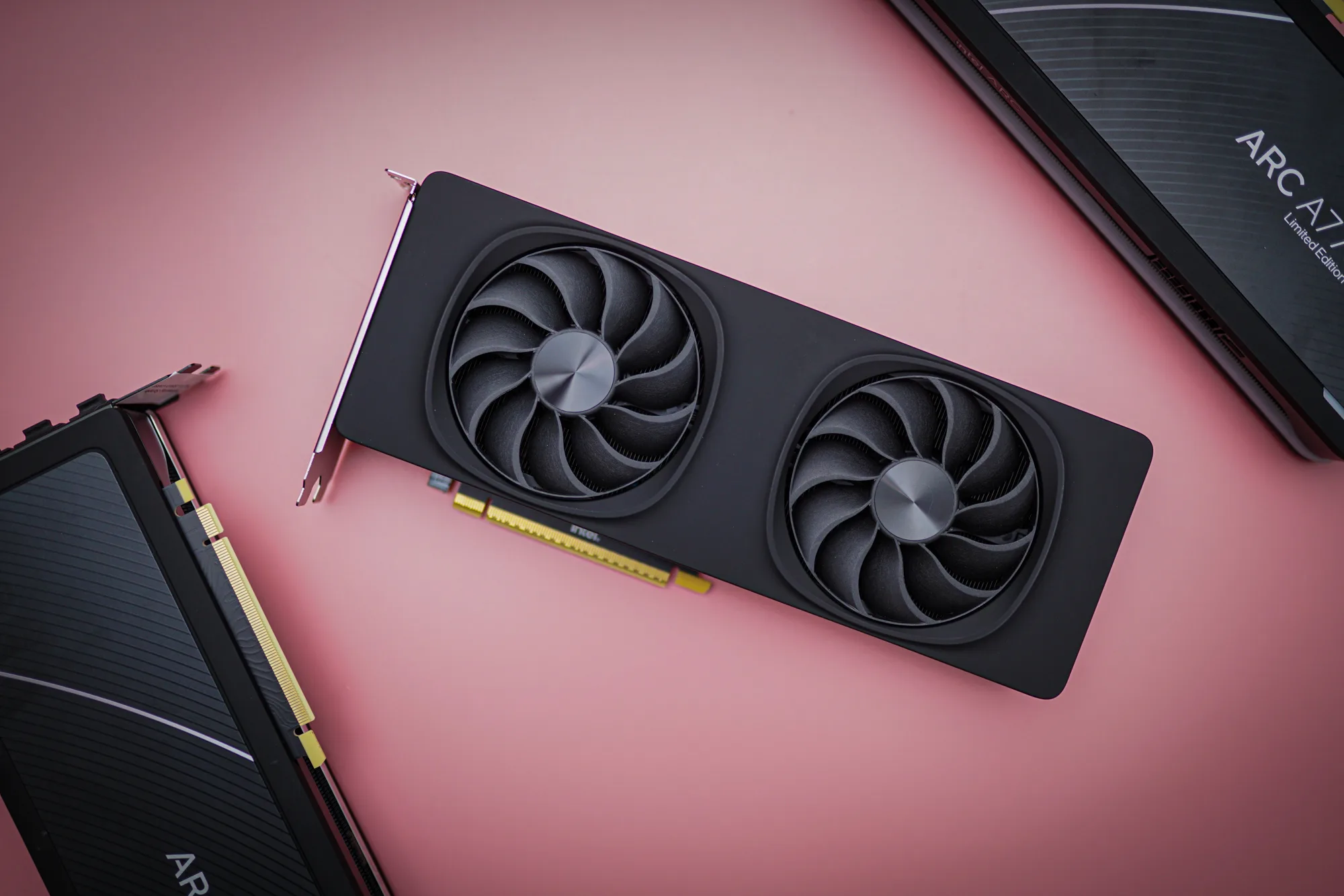
This push towards 'open' AI models by Chinese companies is deeply intertwined with the broader geopolitical context, particularly the stringent US export controls on advanced AI chips. Unable to easily acquire the most cutting-edge GPUs necessary for training massive proprietary models, China's tech firms are focusing on democratizing access to the software layer. By making their models 'open' – whether through open-source weights or accessible APIs – they incentivize widespread adoption, foster community contributions, and accelerate innovation within their own sphere of influence. This strategy mirrors, and in some ways intensifies, the global trend seen with Meta's Llama series, creating a diverse, competitive landscape for foundation models.
The market positioning is clear: offer high-quality, customizable alternatives that can compete on performance and offer greater flexibility, especially for developers and enterprises seeking to avoid reliance on purely Western-developed stacks. This also allows for the development of niche applications and regional solutions tailored to specific linguistic and cultural contexts, which proprietary models might overlook.
Why It Matters (The Analysis)
The surge of 'open' Chinese AI models carries profound implications for consumers, the industry, and the future of global technology. For developers and businesses, it translates into greater choice, potentially lower development costs, and enhanced flexibility. The ability to fine-tune models means more tailored, efficient, and domain-specific AI applications, leading to accelerated innovation across various sectors.
For the AI industry, this intensifies competition, compelling all players, both East and West, to continually improve their models and offerings. It fosters a more diversified AI ecosystem, potentially leading to the emergence of distinct technological blocs, but also encouraging cross-pollination of ideas and benchmarks. Strategically, it's a masterstroke for China to circumvent hardware limitations by building influence and expertise at the software and application layers, establishing its technological sovereignty and offering an alternative global standard for AI development.
“By opening up their AI models, Chinese tech companies are effectively building a parallel AI ecosystem, not just for domestic use but for global adoption, especially in regions less aligned with Western tech paradigms.”
— Techiest.io Analysis
This approach transforms the US-China tech rivalry from a purely hardware-centric battle to a broader competition for developer mindshare and ecosystem dominance.
What's Next
Looking ahead, we can expect continued aggressive releases of even more powerful and specialized 'open' models from Chinese tech companies. The competition for AI talent and developer communities will intensify globally, with a focus on ease of use, performance, and customization capabilities. This strategy is likely to accelerate the decentralization of AI development, empowering a wider range of players to contribute to and benefit from advancements in artificial intelligence, shaping a truly multi-polar AI future.